
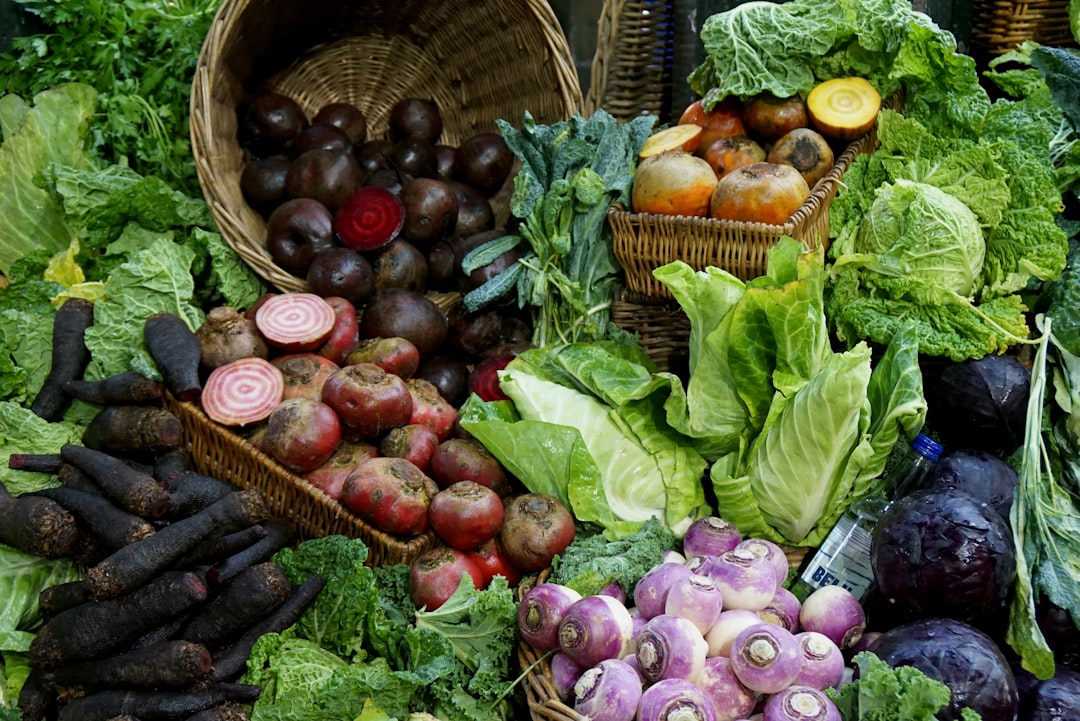
London’s markets are a vibrant tapestry woven into the fabric of the city, offering a unique glimpse into its diverse culture and history. These bustling hubs of activity serve as a microcosm of London itself, showcasing an eclectic mix of goods, food, and experiences that reflect the city’s rich heritage and contemporary trends. From the historic stalls of Borough Market to the trendy boutiques of Camden Market, each market has its own distinct character and charm, drawing both locals and tourists alike.
The atmosphere is often electric, filled with the sounds of haggling voices, sizzling street food, and the laughter of friends enjoying a day out. The significance of these markets extends beyond mere commerce; they are social spaces where communities gather, stories are shared, and traditions are upheld. In a city as vast and varied as London, markets provide a sense of belonging and continuity amidst the ever-changing urban landscape.
They are places where one can discover hidden gems, sample international cuisines, and engage with artisans and traders who are passionate about their crafts. As we delve deeper into the history and types of markets in London, it becomes clear that these vibrant spaces are not just shopping destinations but integral parts of the city’s identity.
Summary
- London’s markets are an integral part of the city’s culture and history, offering a unique shopping and dining experience for locals and tourists alike.
- The history of London’s markets dates back centuries, with some markets tracing their origins to the Roman era and others emerging during the medieval period.
- London’s markets offer a diverse range of products, from antiques and vintage clothing to fresh produce and street food, catering to all tastes and interests.
- Notable markets to visit in London include Borough Market for gourmet food, Camden Market for alternative fashion, and Portobello Road Market for antiques and collectibles.
- When exploring London’s markets, visitors can enjoy a wide variety of food and drink options, from traditional British fare to international cuisine, as well as a vibrant atmosphere and live entertainment.
History of London’s Markets
The history of London’s markets is as old as the city itself, with roots tracing back to the Roman period when traders would gather to exchange goods. The establishment of markets was a natural progression in a city that thrived on trade and commerce. By the Middle Ages, markets had become central to London’s economy, with notable examples such as Cheapside Market emerging as key trading hubs.
These early markets were often unregulated, leading to a chaotic atmosphere where anything from livestock to textiles could be found. As London grew, so did its markets. The Great Fire of 1666 prompted significant changes in urban planning, leading to the establishment of new markets in more organised settings.
The famous Covent Garden Market was originally a fruit and vegetable market before evolving into a cultural hotspot known for its theatres and street performances. Over the centuries, markets have adapted to the changing needs of the city’s population, reflecting shifts in consumer behaviour and societal trends. The Victorian era saw a boom in covered markets, which provided shelter from the elements while allowing for a wider variety of goods to be sold.
This period also marked the rise of specialised markets catering to specific communities and tastes.
Types of Markets in London

London’s markets can be broadly categorised into several types, each serving different purposes and audiences. Food markets are perhaps the most popular, offering an array of fresh produce, gourmet ingredients, and street food from around the world. These markets not only cater to culinary enthusiasts but also provide an opportunity for local farmers and producers to sell their goods directly to consumers.
Borough Market is a prime example, renowned for its artisanal offerings and vibrant atmosphere. Another significant category is the antiques and vintage markets, which attract collectors and those seeking unique items with character.
These markets often have a nostalgic charm, allowing visitors to step back in time while browsing through treasures from yesteryears. Craft and artisan markets have also gained popularity in recent years, showcasing handmade goods created by local artisans. Markets such as Spitalfields Market feature stalls selling everything from handmade jewellery to bespoke furniture, highlighting the creativity and craftsmanship that London has to offer.
Additionally, there are flea markets that provide a platform for second-hand goods, promoting sustainability by encouraging recycling and reusing items.
Notable Markets to Visit in London
Among the myriad of markets in London, several stand out for their unique offerings and historical significance. Borough Market is arguably one of the most famous food markets in the city, attracting food lovers from all corners of the globe. Established over a thousand years ago, it boasts an impressive selection of fresh produce, gourmet foods, and artisanal products.
Visitors can indulge in everything from freshly baked bread to exotic cheeses while enjoying the lively atmosphere created by passionate vendors. Camden Market is another must-visit destination, known for its alternative culture and eclectic mix of shops. With over 1,000 stalls spread across multiple markets, Camden offers an array of fashion items, handmade crafts, and international street food.
The vibrant street art that adorns the area adds to its bohemian charm, making it a favourite among young people and creatives. Portobello Road Market is renowned for its antiques and vintage finds. Stretching along Portobello Road in Notting Hill, this market is particularly lively on Saturdays when hundreds of stalls line the street.
Visitors can discover everything from vintage clothing to rare collectibles while soaking up the lively atmosphere filled with music and street performers. Finally, Brick Lane Market is a cultural melting pot that reflects London’s diversity. Known for its vibrant street art and multicultural vibe, this market offers an array of food stalls serving dishes from around the world alongside vintage clothing shops and independent boutiques.
The market is particularly famous for its Sunday offerings when it transforms into a bustling hub of activity.
Food and Drink at London’s Markets
Food is undoubtedly one of the main attractions at London’s markets, with each market offering its own unique culinary delights. Borough Market stands out as a gastronomic paradise where visitors can sample an impressive range of foods from local producers and international vendors alike. The market features everything from artisanal cheeses and cured meats to freshly baked pastries and gourmet street food.
The emphasis on quality ingredients means that visitors can enjoy dishes prepared with care and passion. Camden Market also boasts an impressive food scene that reflects its eclectic character. Here, visitors can find an array of global cuisines represented through various food stalls.
From mouth-watering Vietnamese pho to indulgent gourmet burgers, there is something to satisfy every palate. The market’s vibrant atmosphere is enhanced by live music performances that often accompany dining experiences. In addition to food stalls, many markets offer opportunities for visitors to sample local beverages.
Borough Market features several wine merchants who provide tastings alongside their selections of fine wines and craft beers. Similarly, Brick Lane Market is known for its craft beer stalls that showcase local breweries, allowing visitors to enjoy refreshing drinks while exploring the market’s diverse offerings.
Shopping at London’s Markets
Shopping at London’s markets is an experience unlike any other; it combines the thrill of discovery with the joy of finding unique items that cannot be found in conventional retail stores. Each market has its own distinct character that influences what shoppers can expect to find. For instance, Portobello Road Market is famous for its antiques and vintage clothing; here, shoppers can unearth hidden treasures that tell stories of their own.
In contrast, Spitalfields Market caters to those seeking contemporary fashion and design.
Shoppers can often meet the creators behind their purchases, adding a personal touch to their shopping experience.
Camden Market presents an entirely different shopping environment with its alternative fashion scene. Known for its edgy styles and unique designs, Camden attracts those looking for statement pieces that stand out from mainstream fashion. The market’s diverse range of stalls means that shoppers can find everything from vintage band t-shirts to handmade jewellery crafted by local artisans.
Entertainment and Culture at London’s Markets
Beyond shopping and dining, London’s markets are vibrant cultural hubs that offer a plethora of entertainment options. Many markets host live music performances that enhance the lively atmosphere while providing a platform for local artists to showcase their talents. For instance, Camden Market frequently features live bands playing everything from rock to reggae, creating an energetic backdrop for visitors as they explore the stalls.
Street performers also play a significant role in enriching the cultural experience at these markets. At Covent Garden Market, visitors can enjoy captivating performances by musicians, magicians, and acrobats who entertain crowds with their skills. This lively entertainment adds an element of surprise and delight to any visit.
Moreover, many markets celebrate cultural events throughout the year that reflect London’s diversity. For example, Brick Lane Market often hosts events celebrating Bangladeshi culture with traditional music performances and food festivals that draw large crowds eager to experience this rich heritage.
Tips for Exploring London’s Markets
Exploring London’s markets can be an exhilarating experience if approached with some practical tips in mind. Firstly, timing is crucial; visiting during weekdays may offer a quieter experience compared to bustling weekends when crowds flock to popular spots like Borough or Camden Market. Early mornings are often ideal for those looking to avoid crowds while enjoying fresh produce at food markets.
Another tip is to come prepared with cash; while many vendors now accept card payments or mobile payments, some smaller stalls may only take cash. Having some change on hand ensures you won’t miss out on unique finds or delicious treats due to payment issues. It’s also wise to wear comfortable shoes as you’ll likely be doing plenty of walking while exploring various stalls.
Markets can span large areas with uneven surfaces; comfortable footwear will make your experience much more enjoyable. Lastly, don’t hesitate to engage with vendors; they often have fascinating stories about their products or can provide recommendations based on your preferences. This interaction not only enriches your shopping experience but also supports local businesses by fostering connections within the community.
In summary, London’s markets are dynamic spaces that encapsulate the essence of this remarkable city through their rich history, diverse offerings, and cultural significance. Whether you’re seeking culinary delights or unique shopping experiences, these markets promise something special for everyone who ventures into their vibrant midst.
If you are looking to explore the markets in London, you may want to check out London Pages. This website offers a comprehensive guide to the various markets in the city, from food markets to antique markets. You can find information on opening hours, location, and the types of products available at each market. Whether you are a local looking for a new place to shop or a tourist wanting to experience the vibrant market scene in London, London Pages has got you covered.
FAQs
What are the different types of markets in London?
There are various types of markets in London, including food markets, antique markets, flea markets, fashion markets, and flower markets.
Where are the most popular markets located in London?
Some of the most popular markets in London are Borough Market, Camden Market, Portobello Road Market, Covent Garden Market, and Spitalfields Market.
What can I buy at the markets in London?
You can find a wide range of items at the markets in London, including fresh produce, street food, vintage clothing, antiques, handmade crafts, flowers, and artisanal goods.
When are the markets in London open?
The opening hours of the markets in London vary, but most are open on weekends and some are open during the week as well. It’s best to check the specific market’s website for their opening hours.
Are the markets in London cash-only or do they accept card payments?
Many market stalls in London accept card payments, but it’s always a good idea to have some cash on hand as well, especially at smaller or more traditional markets.
Are the markets in London wheelchair accessible?
Most markets in London are wheelchair accessible, but it’s recommended to check the specific market’s accessibility information before visiting.