
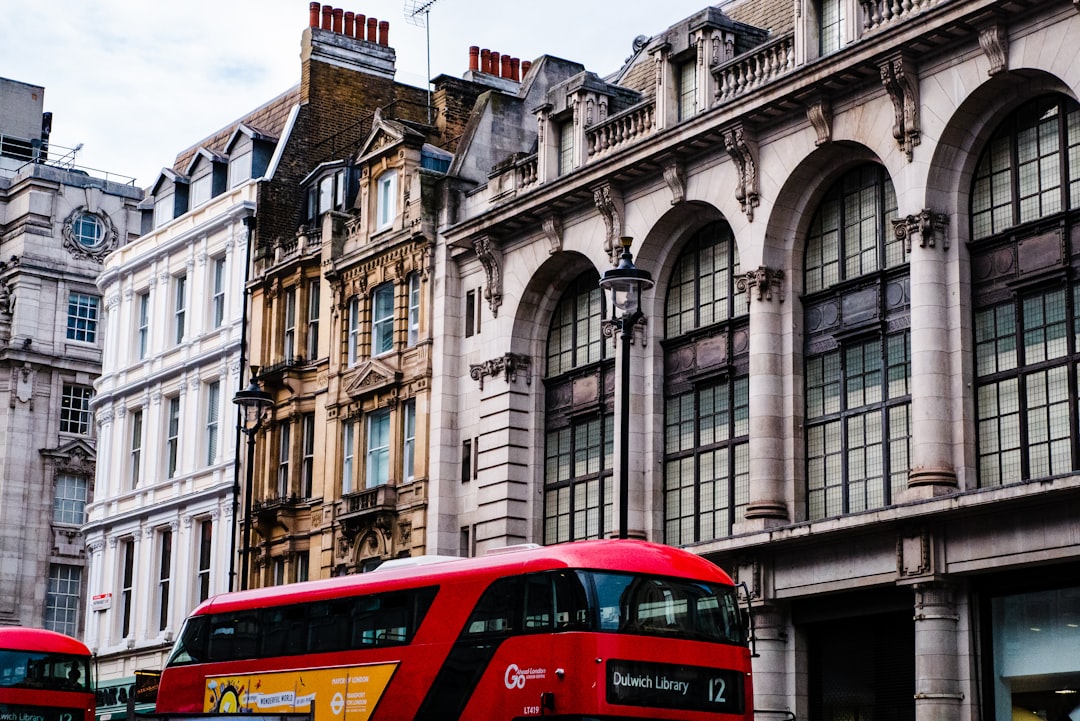
Navigating London, a sprawling metropolis steeped in history and vibrant modernity, can feel like a daunting task, particularly for first-time visitors or those less familiar with its intricate transport network. However, with a little foresight and understanding of its various systems, getting around the city can transform from a potential stressor into an integral, and often enjoyable, part of your London experience. This guide aims to demystify London’s transport, offering practical advice to help you traverse the city efficiently and comfortably.
The London Underground, affectionately known as ‘The Tube’, is a cornerstone of the city’s transport infrastructure. It is the oldest and one of the most extensive subway systems in the world, connecting virtually every corner of the capital. While its intricate map may initially appear overwhelming, with a few key pieces of information, you will be navigating it like a seasoned Londoner.
Understanding the Lines and Zones
The Tube network comprises 11 different lines, each colour-coded on the iconic Tube map. Familiarising yourself with these colours and their corresponding routes is paramount. For instance, the Central Line (red) runs east to west, while the Victoria Line (light blue) offers a swift north-south journey. Pay close attention to the direction of travel – platforms are typically marked with the final destination of the train, helping you ensure you are heading in the correct direction.
London is also divided into nine concentric fare zones, radiating outwards from Zone 1, which encompasses Central London. Your fare will be determined by the zones you travel through. Most tourist attractions are located within Zones 1 and 2, meaning travel within these zones is generally more economical.
Peak and Off-Peak Travel
Like most major cities, London experiences peak and off-peak travel times. Peak hours are generally between 06:30 and 09:30, and 16:00 and 19:00 on weekdays. During these times, fares are higher, and carriages are significantly more crowded. If your itinerary allows, travelling during off-peak hours can save you money and provide a more comfortable journey. Weekends and public holidays are always considered off-peak.
Using the Tube Safely and Efficiently
The Tube can be a busy environment. Always stand on the right on escalators to allow others to pass on the left. Wait for passengers to alight from the train before attempting to board. Mind the gap between the train and the platform edge – a famous London warning ingrained in the minds of anyone who uses the Tube. Keep an eye on your belongings, particularly in crowded areas. Utilising real-time journey planning apps can also help you avoid delays and navigate disruptions.
For those looking to navigate the bustling streets of London with ease, our article on London Transport Tips: Getting Around the City Easily is a must-read. It offers invaluable advice on utilising the Tube, buses, and other forms of public transport efficiently. Additionally, if you have any questions or need further assistance, you can reach out through our contact page for more personalised guidance. For more information, visit here.
London’s Bus Network: An Scenic Alternative
While the Tube offers speed and efficiency, London’s iconic red buses provide a more leisurely, and often scenic, way to see the city. With an extensive network covering almost every street, buses can be a fantastic option for shorter journeys or when you want to take in the street-level views.
Contactless Payments and Oyster Cards
London’s transport network operates almost entirely on a cashless basis. The easiest way to pay for bus journeys, and indeed all public transport, is by using a contactless debit or credit card. Simply tap your card on the yellow reader at the front of the bus when you board.
Alternatively, you can purchase an Oyster card, a reusable smart card that you load with credit. Oyster cards can be bought at Tube stations, TfL Visitor Centres, and many newsagents. They offer the same contactless convenience and often cap your daily and weekly expenditure, meaning you will not pay more than a certain amount regardless of how many journeys you make.
Understanding Bus Routes and Stops
Bus stops are clearly marked throughout the city. Each stop displays a list of bus numbers that serve that particular stop and often includes a map indicating the bus route. Digital displays at many bus stops provide real-time information about when the next bus is due, which is invaluable for planning. Journey planning apps are also highly effective for understanding bus routes and finding the best bus for your destination.
Night Buses
London’s bus network extends into the late hours, with a comprehensive night bus service. Most main routes operate 24 hours a day, providing a safe and cost-effective way to get around after the Tube closes, typically around midnight. Night buses often follow slightly different routes to their daytime counterparts, making it important to check the specific night bus route before you travel.
Other Essential Transport Options

While the Tube and buses form the backbone of London’s public transport, several other options offer convenience, speed, and sometimes unique perspectives of the city.
Overground and National Rail
London Overground and National Rail services supplement the Tube network, particularly for journeys further out from the city centre or to specific destinations not served by the Underground. These services are integrated into the Oyster and contactless payment system, making transfers relatively seamless.
The Overground primarily serves inner London and some suburban areas, offering convenient connections across different parts of the city. National Rail services connect London with its surrounding commuter towns and the wider UK, with major terminals located at Euston, Paddington, King’s Cross, Waterloo, and Victoria.
DLR (Docklands Light Railway)
The DLR is an automated light railway serving the Docklands area of East London, including Canary Wharf, Stratford, and Greenwich. It offers fantastic views of the modern skyline and is particularly useful if you are visiting attractions in this vibrant part of the city. Like the Tube and Overground, it accepts Oyster and contactless payments.
Trams
South London is served by a tram network, offering connections between Wimbledon, Croydon, Beckenham, and New Addington. While not as extensive as the Tube or bus networks, the trams provide an efficient and comfortable way to travel within this specific region. Contactless and Oyster payments are accepted.
Emirates Air Line (Cable Car)
For a unique perspective of London, consider a journey on the Emirates Air Line cable car. Spanning the River Thames between the Greenwich Peninsula and the Royal Docks, it offers panoramic views of the O2 Arena, Canary Wharf, and the Queen Elizabeth Olympic Park. While not a practical mode of A-to-B transport for most journeys, it is a memorable experience and can be used with Oyster or contactless payments.
Payment Methods and Fares
Understanding London’s payment system is crucial for efficient and economical travel. There are several options available, each offering distinct advantages.
Contactless Debit/Credit Cards
The most convenient payment method is a contactless debit or credit card. Simply tap your card on the yellow reader at the start and end of your Tube, Overground, DLR, or National Rail journey within London zones. For buses and trams, you only need to tap in. The system automatically calculates the correct fare, and daily and weekly fare caps apply, ensuring you will not be charged excessively.
Oyster Card
An Oyster card is a brilliant alternative if you prefer not to use your bank card or if you are visiting for an extended period. You top it up with pay-as-you-go credit or travelcards. Oyster cards can be purchased at any Tube station, TfL Visitor Centre, and many newsagents. They also benefit from daily and weekly fare capping, offering excellent value.
Travelcards
Travelcards offer unlimited travel on Tube, bus, DLR, Overground, and National Rail services within specified zones for a set period (e.g., one day, seven days, or monthly). These can be a cost-effective option if you plan to make extensive use of public transport over several days. You can load Travelcards onto an Oyster card or purchase paper Travelcards from National Rail stations. Bear in mind paper Travelcards from National Rail stations can often be combined with promotions that are not available with Oyster.
Avoiding Common Payment Pitfalls
Always remember to tap in and tap out when using contactless or Oyster cards on the Tube, Overground, DLR, and National Rail. Failing to tap out means the system cannot calculate your journey correctly and you will be charged a maximum fare. Ensure you use the same card or device for both tapping in and out to ensure accurate fare calculation and daily capping. If you use a physical card and a mobile payment (e.g., Apple Pay or Google Pay) linked to the same card, the system will treat them as two separate payment methods, potentially preventing fare capping.
If you’re looking for more insights on navigating the bustling streets of London, you might find the article on local transport options particularly helpful. It offers a comprehensive overview of various modes of transport available in the city, ensuring you can make the most of your journey. For further details, check out this informative piece on London transport options that can enhance your experience while exploring the capital.
Journey Planning and Essential Apps
Efficient navigation of London’s transport network is significantly enhanced by effective journey planning. Several apps and websites provide real-time information, helping you make informed travel decisions.
Citymapper
Citymapper is widely regarded as one of the best transport apps for London. It combines all modes of transport – Tube, bus, Overground, DLR, National Rail, cycle hire, and even walking – to provide the fastest and most convenient routes. It offers real-time departure information, alerts you to delays, and estimates journey times with remarkable accuracy. Its intuitive interface and comprehensive coverage make it an indispensable tool for any London traveller.
Transport for London (TfL) Go App
The official TfL Go app provides up-to-the-minute information on all TfL services, including live Tube and bus times, planned engineering works, and service disruptions. It also includes an interactive Tube map and a journey planner. While perhaps not as feature-rich as Citymapper for multimodal planning, it is a reliable source directly from the transport authority.
Google Maps
Google Maps remains a strong contender for journey planning in London. Its public transport option is generally accurate, combining live data with route suggestions. It also integrates walking and cycling routes, making it a versatile tool for exploring the city.
Avoiding Peak Hours and Disruptions
Before embarking on your journey, particularly during weekdays, it is prudent to check for any planned engineering works or unexpected disruptions. All the mentioned apps will provide this information. Adjusting your travel times to avoid peak hours or rerouting to bypass disrupted lines can significantly improve your travel experience. Planning your journey in advance, even if only roughly, can save you time and reduce potential stress.
By understanding the intricacies of the London Underground, embracing the versatility of the bus network, and leveraging the city’s other transport options, you will find navigating London not only manageable but also an integral part of experiencing this dynamic capital. With the right tools and approach, you will be exploring London with confidence and ease.