
When one thinks of traditional British fare, images of hearty meals and comforting dishes often come to mind. The culinary landscape of the UK is rich with history, reflecting the diverse influences that have shaped it over centuries. Classic dishes such as fish and chips, shepherd’s pie, and roast dinners are not merely meals; they are a celebration of British culture and heritage.
Often enjoyed with a side of mushy peas and a generous splash of vinegar, this dish encapsulates the essence of British comfort food. Another quintessential dish is the Sunday roast, which has become a cherished tradition in many households across the UK.
Typically featuring succulent roasted meat—be it beef, chicken, or lamb—served alongside an array of vegetables, Yorkshire puddings, and rich gravy, the Sunday roast is more than just a meal; it’s an occasion for families to gather and share stories. The preparation of these dishes often involves time-honoured techniques passed down through generations, ensuring that the flavours remain authentic and true to their roots. Traditional British fare is not just about sustenance; it’s about connection, nostalgia, and the joy of sharing a meal with loved ones.
Summary
- Traditional British Fare:
- British fare includes classic dishes such as fish and chips, shepherd’s pie, and roast beef with Yorkshire pudding.
- Traditional British fare often features hearty and comforting ingredients like potatoes, meat, and gravy.
- Pubs are a popular place to enjoy traditional British fare, often accompanied by a pint of ale or a glass of cider.
- International Cuisine:
- London is a melting pot of international cuisines, with a wide range of options including Indian, Chinese, Italian, and Middle Eastern.
- The city’s diverse population has led to a vibrant food scene, offering authentic and delicious international dishes.
- From Michelin-starred restaurants to casual eateries, London has something to offer for every international cuisine enthusiast.
- Street Food and Markets:
- London’s street food scene is thriving, with markets and food stalls offering a variety of global flavours and innovative dishes.
- Borough Market, Camden Market, and Brick Lane Market are popular destinations for street food enthusiasts.
- Street food and markets provide an opportunity to sample a wide range of cuisines in a casual and lively atmosphere.
- Afternoon Tea:
- Afternoon tea is a quintessentially British tradition, featuring a selection of finger sandwiches, scones with clotted cream and jam, and a variety of cakes and pastries.
- Many hotels and tea rooms in London offer traditional afternoon tea experiences, often accompanied by a choice of teas and champagne.
- Afternoon tea is a leisurely and indulgent way to experience a taste of British elegance and hospitality.
- Michelin-Starred Dining:
- London boasts a wealth of Michelin-starred restaurants, offering exceptional dining experiences and innovative cuisine.
- From fine dining establishments to intimate eateries, Michelin-starred dining in London showcases culinary excellence and creativity.
- Reservations are highly recommended for Michelin-starred restaurants, as they are in high demand and offer a truly special dining experience.
- Food Festivals and Events:
- London hosts a variety of food festivals and events throughout the year, celebrating everything from street food to gourmet cuisine.
- Events like the Taste of London festival and the London Restaurant Festival showcase the city’s diverse culinary scene and offer opportunities to sample a wide range of dishes.
- Food festivals and events provide a fun and festive way to explore London’s food culture and discover new flavours.
- Hidden Gems and Local Favorites:
- London is home to many hidden gems and local favourites, from cosy neighbourhood pubs to family-run eateries serving authentic and delicious dishes.
- Exploring off-the-beaten-path areas can lead to delightful culinary discoveries and a taste of local hospitality.
- Venturing beyond the tourist hotspots can reveal hidden gems that offer a more authentic and memorable dining experience.
- Culinary Classes and Workshops:
- For those interested in learning the art of British cooking or international cuisines, London offers a variety of culinary classes and workshops.
- From traditional British cooking classes to sushi-making workshops, there are opportunities to hone culinary skills and learn new techniques.
- Culinary classes and workshops provide a hands-on and educational way to immerse oneself in the world of food and cooking.
International Cuisine
Indian Cuisine Takes Centre Stage
The popularity of Indian cuisine, for instance, is evident in the countless curry houses that line the streets of cities like London and Birmingham. Dishes such as chicken tikka masala have become so ingrained in British culture that they are often considered national treasures in their own right.
Middle Eastern Flavours on the Rise
Moreover, the influence of Middle Eastern cuisine has surged in recent years, with dishes like falafel and shawarma becoming staples in many urban areas. The vibrant spices and fresh ingredients used in these dishes not only tantalise the taste buds but also introduce diners to new culinary experiences.
Asian Cuisine Adds to the Mix
Additionally, the rise of Asian cuisine, particularly Thai and Japanese, has captivated food lovers with its emphasis on balance and harmony in flavours. Sushi bars and noodle shops have proliferated, showcasing the UK’s willingness to embrace global culinary trends while adding its own unique twist.
Street Food and Markets
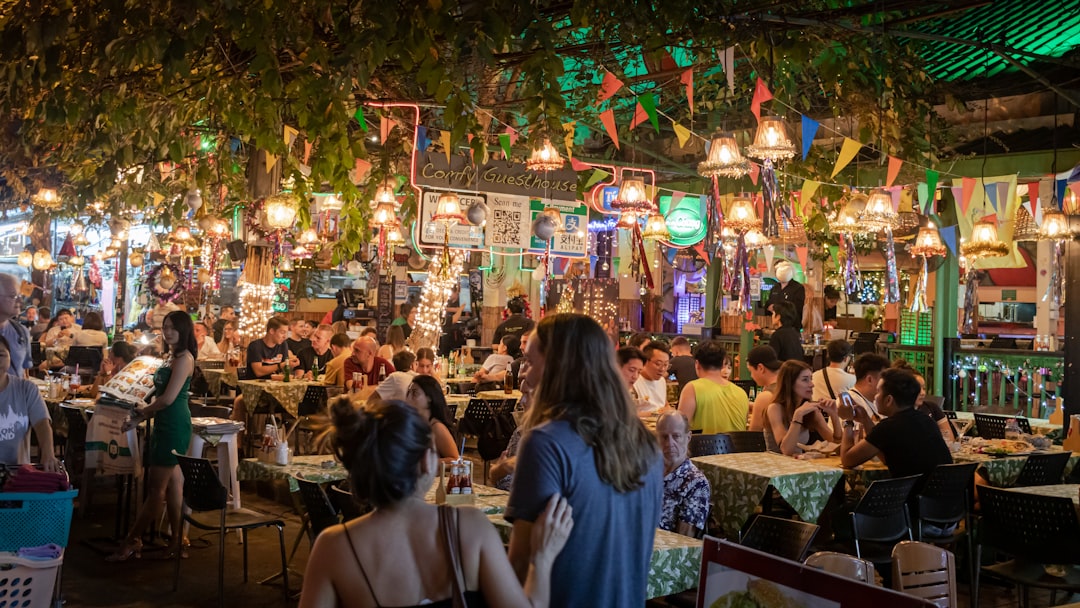
Street food has become an integral part of the UK’s food culture, offering an exciting alternative to traditional dining experiences. The rise of food markets and street vendors has transformed urban landscapes into vibrant culinary hubs where creativity knows no bounds. From gourmet burgers to artisanal doughnuts, street food vendors are pushing the boundaries of flavour and presentation.
Markets such as Borough Market in London and St Nicholas Market in Bristol are prime examples of this trend, where visitors can sample an eclectic mix of dishes from around the world while enjoying a lively atmosphere. The appeal of street food lies not only in its variety but also in its accessibility. It allows people to explore different cuisines without the commitment of a sit-down meal.
Many vendors take pride in sourcing local ingredients and creating dishes that reflect their cultural heritage while also appealing to contemporary tastes. This fusion of tradition and innovation has led to a thriving street food scene that continues to evolve. Whether it’s grabbing a quick bite during lunch or indulging in a late-night snack after a night out, street food offers something for everyone, making it an essential part of the UK’s culinary landscape.
Afternoon Tea
| Afternoon Tea Metrics | Values |
|---|---|
| Number of Scones | 50 |
| Cups of Tea Consumed | 100 |
| Number of Sandwiches | 30 |
| Types of Tea | 5 |
Afternoon tea is a quintessentially British tradition that dates back to the early 19th century. Originally conceived as a light meal to bridge the gap between lunch and dinner, it has since evolved into a luxurious experience that many people cherish. The ritual typically involves a selection of finely brewed teas served alongside an array of delicate sandwiches, scones with clotted cream and jam, and an assortment of pastries and cakes.
This elegant affair is often enjoyed in charming tearooms or grand hotels, where the ambience adds to the overall experience. The beauty of afternoon tea lies not only in its delectable offerings but also in its social aspect. It provides an opportunity for friends and family to gather, unwind, and indulge in delightful conversation over exquisite treats.
Many establishments have put their own spin on this tradition by incorporating seasonal ingredients or themed menus that reflect current trends. For instance, some venues offer vegan or gluten-free options to cater to dietary preferences while maintaining the essence of this classic experience. Afternoon tea is more than just a meal; it’s a celebration of British culture and hospitality that continues to enchant both locals and visitors alike.
Michelin-Starred Dining
For those seeking an extraordinary culinary experience, Michelin-starred restaurants offer some of the finest dining available in the UK. The Michelin Guide is renowned for its rigorous standards and prestigious awards, making a Michelin star a coveted accolade for chefs and restaurateurs alike. These establishments often showcase innovative techniques and exquisite presentations that elevate dining to an art form.
From intimate bistros to grand establishments, Michelin-starred restaurants can be found across the country, each offering a unique interpretation of modern cuisine. Dining at a Michelin-starred restaurant is not just about the food; it’s about the entire experience. Many chefs take great care in curating tasting menus that tell a story through each course, allowing diners to embark on a culinary journey that excites all the senses.
The emphasis on seasonal ingredients and local produce ensures that each dish is not only delicious but also reflective of its surroundings. Furthermore, exceptional service complements the exquisite cuisine, creating an atmosphere where guests feel pampered and valued. For food enthusiasts looking to indulge in something truly special, Michelin-starred dining represents the pinnacle of culinary excellence.
Food Festivals and Events
Food festivals have become increasingly popular across the UK, celebrating local produce and culinary creativity while bringing communities together. These events provide an opportunity for food lovers to sample a wide variety of dishes from local chefs and vendors while enjoying live entertainment and engaging activities. Festivals such as the Taste of London or the Great British Food Festival showcase everything from street food to fine dining, allowing attendees to explore diverse flavours all in one place.
In addition to celebrating established chefs and restaurants, many festivals also highlight emerging talent within the culinary scene. This focus on innovation encourages creativity among chefs who are eager to experiment with new flavours and techniques. Workshops and demonstrations often accompany these events, providing attendees with insights into cooking methods or tips on how to use seasonal ingredients effectively.
Food festivals not only promote local businesses but also foster a sense of community pride as people come together to celebrate their shared love for good food.
Hidden Gems and Local Favorites
While popular restaurants and well-known eateries often steal the spotlight, hidden gems can be found throughout the UK’s culinary landscape. These local favourites may not have received widespread recognition but are beloved by those who know them best. Tucked away in quaint neighbourhoods or off-the-beaten-path locations, these establishments often offer authentic experiences that reflect their community’s character.
Whether it’s a family-run café serving traditional recipes or a small bistro known for its innovative dishes, these hidden gems provide diners with unique flavours that tell a story. Exploring these lesser-known spots can lead to delightful surprises as they often prioritise quality over quantity. Many hidden gems focus on sourcing local ingredients or creating dishes that pay homage to their cultural heritage while adding personal touches that make them stand out.
Engaging with passionate owners or chefs who are dedicated to their craft can enhance the dining experience further as they share their stories and inspirations behind each dish. For those willing to venture beyond mainstream options, discovering these local favourites can be one of the most rewarding aspects of exploring British cuisine.
Culinary Classes and Workshops
For those looking to deepen their culinary skills or simply enjoy a fun day out, culinary classes and workshops have gained popularity across the UK.
Whether it’s mastering the art of pasta-making or delving into the intricacies of baking artisan bread, there’s something for everyone interested in expanding their culinary repertoire.
Many classes focus on using seasonal ingredients sourced from local markets or farms, emphasising sustainability while promoting an appreciation for quality produce. Participants often leave with not only new skills but also recipes they can recreate at home for family and friends. Additionally, these workshops foster a sense of community as individuals come together to share their passion for food in a relaxed environment.
Culinary classes offer an engaging way to connect with others while indulging in one’s love for cooking—a perfect blend of education and enjoyment that resonates with food enthusiasts across all skill levels. In conclusion, the UK’s culinary scene is as diverse as its people, offering an array of experiences that cater to every palate. From traditional British fare steeped in history to innovative international cuisine that reflects modern influences, there is something for everyone to enjoy.
Whether indulging in afternoon tea or exploring hidden gems off the beaten path, each culinary adventure provides an opportunity to connect with culture through food. As we continue to celebrate this vibrant landscape filled with flavours and stories, it becomes clear that food is not just about nourishment; it’s about community, creativity, and shared experiences that enrich our lives.
If you’re looking for more information on London food, be sure to check out the blog on (function (){ var c=document.body.className; c=c.replace(/woocommerce-no-js/, 'woocommerce-js'); document.body.className=c; })();