
Notting Hill, a vibrant and eclectic neighbourhood in West London, boasts a rich tapestry of history that dates back to the 19th century. Originally a rural area, it began to transform in the early 1800s when it became a desirable location for the affluent classes. The construction of grand Victorian houses and elegant terraces marked the beginning of its evolution into a fashionable district.
However, the area’s character shifted dramatically in the mid-20th century when it became home to a diverse community, including many immigrants from the Caribbean, which significantly influenced its cultural landscape. The latter half of the 20th century saw Notting Hill grappling with social challenges, including poverty and racial tensions. Yet, it was during this tumultuous period that the seeds of its vibrant cultural identity were sown.
The establishment of the Notting Hill Carnival in 1966, inspired by Caribbean traditions, marked a turning point for the area. This annual event not only celebrated the rich heritage of its residents but also helped to foster a sense of community and pride. Today, Notting Hill stands as a testament to resilience and diversity, attracting visitors from around the globe who come to experience its unique blend of history and modernity.
Summary
- Notting Hill was originally a rural area before becoming a fashionable and diverse neighbourhood in London.
- The Notting Hill Carnival is a vibrant and colourful celebration of Caribbean culture, featuring music, dance, and elaborate costumes.
- Portobello Road Market is a must-visit for antique lovers, offering a wide range of unique and rare finds.
- Notting Hill is known for its charming and picturesque architecture, with colourful houses and elegant garden squares.
- Notting Hill has strong literary and film connections, with famous authors and filmmakers drawing inspiration from the area.
Notting Hill Carnival: A Colourful Celebration
The Notting Hill Carnival is undoubtedly one of the most iconic events in London’s cultural calendar. Held annually over the August bank holiday weekend, this vibrant celebration draws millions of attendees who come to revel in the sights and sounds of Caribbean culture. The carnival features a dazzling parade filled with elaborate floats, vibrant costumes, and infectious music that ranges from calypso to soca.
The atmosphere is electric, with participants and spectators alike dancing in the streets, creating an unparalleled sense of joy and unity. Beyond the spectacle of the parade, the carnival serves as a platform for social commentary and community expression. It reflects the struggles and triumphs of the Caribbean diaspora in the UK, celebrating their heritage while also addressing contemporary issues.
Food stalls offering traditional Caribbean dishes add to the sensory experience, allowing visitors to indulge in flavours that tell stories of home and heritage. The Notting Hill Carnival is not just an event; it is a powerful reminder of the importance of cultural identity and community spirit.
Portobello Road Market: A Treasure Trove of Antiques
Portobello Road Market is a must-visit destination for anyone seeking a unique shopping experience in Notting Hill. Renowned for its eclectic mix of antiques, vintage clothing, and artisanal goods, this bustling market attracts both locals and tourists alike. Stretching over a mile, the market is particularly famous for its antique section, where stalls brim with treasures from bygone eras.
From vintage jewellery to rare books and retro furniture, each item has its own story waiting to be discovered. Wandering through the market is akin to stepping back in time, as you encounter vendors who are often more than happy to share the history behind their wares. The atmosphere is lively and vibrant, with street performers adding to the charm of this iconic location.
On Saturdays, when the market is at its busiest, you can find everything from fresh produce to street food vendors serving up delicious bites from around the world. Portobello Road Market is not just a place to shop; it is an experience that encapsulates the spirit of Notting Hill—diverse, dynamic, and full of life. For more information about Portobello Road Market, you can visit the Royal Borough of Kensington and Chelsea website.
Notting Hill’s Charming Architecture
| Category | Metric |
|---|---|
| Historic Buildings | Over 200 listed buildings |
| Architectural Styles | Victorian, Georgian, and Edwardian |
| Colourful Facades | Charming pastel-coloured houses |
| Notable Landmarks | Portobello Road, Electric Cinema, and St. John’s Church |
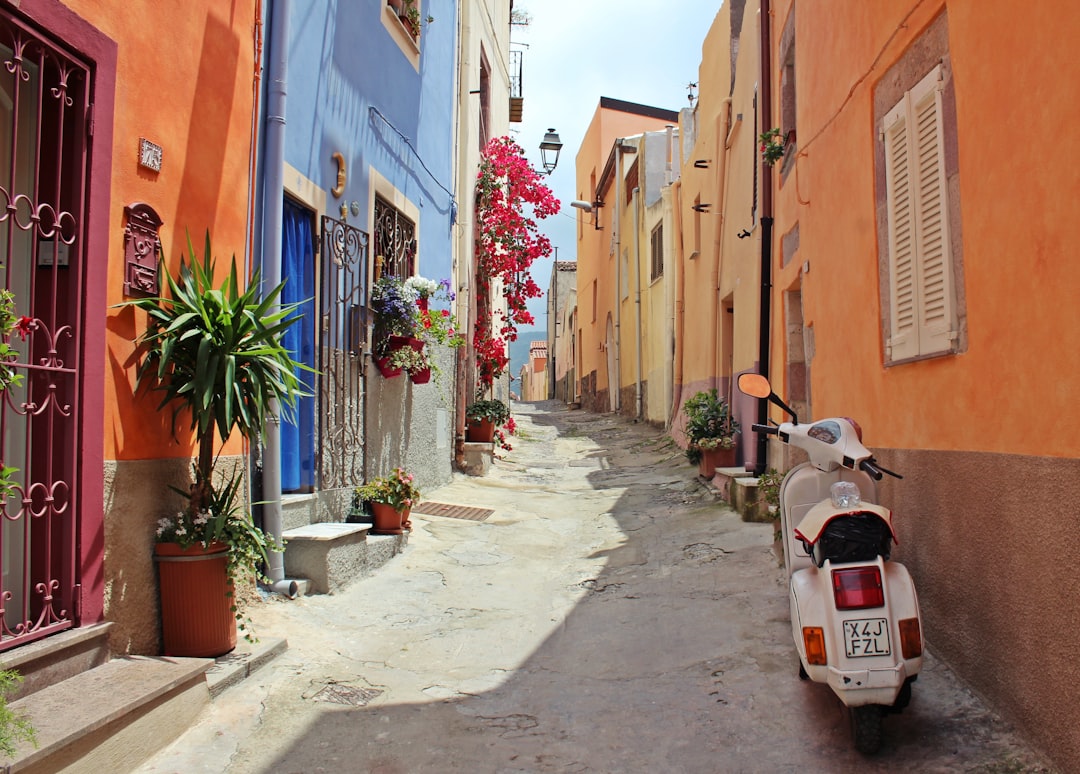
One of the most striking features of Notting Hill is its charming architecture, which reflects a blend of styles that have evolved over centuries. The neighbourhood is perhaps best known for its pastel-coloured terraced houses, which line the streets and create a picturesque backdrop for leisurely strolls. These Victorian and Georgian homes are not only visually appealing but also steeped in history, each with its own unique character and charm.
The iconic blue door made famous by the film “Notting Hill” has become a symbol of the area’s allure. In addition to residential architecture, Notting Hill is home to several notable buildings that contribute to its cultural heritage. The Tabernacle, a former church turned arts centre, showcases stunning architecture while serving as a hub for community events and performances.
Meanwhile, the beautiful St. John’s Church stands as a testament to the area’s historical significance. As you explore Notting Hill, you’ll find that its architecture tells a story—one of transformation, resilience, and an enduring sense of community.
Notting Hill’s Literary and Film Connections
Notting Hill has long been a muse for writers and filmmakers alike, with its enchanting streets providing inspiration for countless stories. The most famous literary connection is undoubtedly that of Richard Curtis’s romantic comedy “Notting Hill,” which was released in 1999 and starred Hugh Grant and Julia Roberts. The film not only showcased the neighbourhood’s stunning scenery but also captured its essence—an unlikely love story set against a backdrop of vibrant culture and community life.
The film’s success has led to an influx of visitors eager to see the locations featured on screen. Beyond film, Notting Hill has also been celebrated in literature. Authors such as Zadie Smith have drawn upon their experiences growing up in this diverse neighbourhood to craft compelling narratives that explore themes of identity and belonging.
Smith’s novel “White Teeth” offers a vivid portrayal of multicultural London life, with Notting Hill serving as one of its many rich settings. This literary connection adds another layer to Notting Hill’s identity, making it not just a place to visit but also a source of inspiration for creativity and storytelling.
Notting Hill’s Culinary Delights
Food lovers will find themselves in paradise when exploring Notting Hill’s culinary scene. The neighbourhood boasts an impressive array of restaurants, cafes, and eateries that reflect its diverse cultural heritage. From traditional British fare to international cuisine, there is something to satisfy every palate.
One cannot visit without indulging in some classic fish and chips or enjoying a hearty Sunday roast at one of the local pubs. For those seeking something more exotic, Notting Hill offers an abundance of options ranging from authentic Caribbean dishes to mouth-watering Italian cuisine. The area is also home to numerous trendy cafes where you can enjoy artisanal coffee paired with delectable pastries or brunch options that cater to all dietary preferences.
Notting Hill’s Vibrant Arts and Culture Scene
The arts scene in Notting Hill is as vibrant as its streets are colourful. The neighbourhood is home to numerous galleries showcasing contemporary art from both established and emerging artists. Places like the Museum of Brands offer visitors a nostalgic journey through consumer culture while highlighting the evolution of branding over time.
This unique perspective on art and culture makes Notting Hill an exciting destination for those looking to engage with creativity in various forms. Moreover, Notting Hill hosts several cultural events throughout the year that celebrate its artistic spirit. From film screenings at local cinemas to live music performances in intimate venues, there is always something happening that invites participation from both residents and visitors alike.
The annual Notting Hill Arts Club events further enrich this cultural tapestry by providing platforms for local talent to shine. In this way, Notting Hill continues to foster an environment where creativity thrives and community connections are strengthened.
Notting Hill’s Green Spaces: A Relaxing Retreat
Amidst the hustle and bustle of city life, Notting Hill offers several green spaces that provide a welcome retreat for those seeking tranquillity. Holland Park is perhaps the most notable among them, featuring beautifully landscaped gardens, serene walking paths, and even a peacock enclosure that delights visitors of all ages. This expansive park serves as an oasis where locals can unwind amidst nature while enjoying activities such as picnicking or simply soaking up the sun.
Another gem is Ladbroke Square Gardens, which boasts lush greenery and well-maintained flowerbeds that create a picturesque setting for relaxation or leisurely strolls. These green spaces not only enhance the aesthetic appeal of Notting Hill but also contribute to the overall quality of life for its residents. They serve as vital communal areas where people can gather, connect with nature, and escape from the fast-paced urban environment surrounding them.
In conclusion, Notting Hill is a neighbourhood rich in history, culture, and diversity. From its colourful carnival celebrations to its charming architecture and culinary delights, it offers something for everyone. Whether you’re exploring Portobello Road Market or enjoying a peaceful afternoon in one of its many parks, Notting Hill invites you to immerse yourself in its unique charm and vibrant spirit.
Notting Hill, London is a vibrant and eclectic neighbourhood known for its colourful houses, trendy boutiques, and bustling markets. If you’re looking to explore this iconic area, you might want to check out co.
uk/shop/’>London Pages, a website that offers a variety of products and services related to the city. Whether you’re interested in finding unique souvenirs or planning your next trip to London, London Pages has you covered. Additionally, if you’re looking to build your own website to showcase your experiences in Notting Hill, you can learn how to do so easily with the helpful tips provided in this article. With the right tools and resources, you can make your mark on the digital world and share your love for Notting Hill with others.
Get Your Business Listing Today
FAQs
What is Notting Hill in London?
Notting Hill is a district in West London, known for its vibrant and diverse community, as well as its famous Portobello Road Market.
What is Notting Hill famous for?
Notting Hill is famous for its annual Notting Hill Carnival, one of the largest street festivals in Europe, as well as the setting for the popular 1999 film “Notting Hill” starring Hugh Grant and Julia Roberts.
What can I do in Notting Hill?
Visitors to Notting Hill can explore the colourful Portobello Road Market, visit the Electric Cinema, and enjoy the beautiful architecture and charming streets of the area. Notting Hill also offers a variety of trendy shops, cafes, and restaurants.
Is Notting Hill a safe area?
Notting Hill is generally considered a safe area to visit, but like any urban area, it’s important to remain aware of your surroundings and take necessary precautions.
How do I get to Notting Hill?
Notting Hill is easily accessible by public transport, with several London Underground stations serving the area, including Notting Hill Gate, Ladbroke Grove, and Westbourne Park. There are also bus routes that run through the district.