
London, a city of historical gravitas and perpetual motion, offers a diverse array of markets that serve as vibrant microcosms of its cultural tapestry. From venerable institutions specialising in antiques to bustling enclaves dedicated to street food, these markets provide a unique lens through which to experience the city. This guide aims to navigate you through some of London’s most prominent markets, offering insights into their specialities, histories, and practicalities, much like an experienced guide showing you the hidden alleyways of an ancient city.
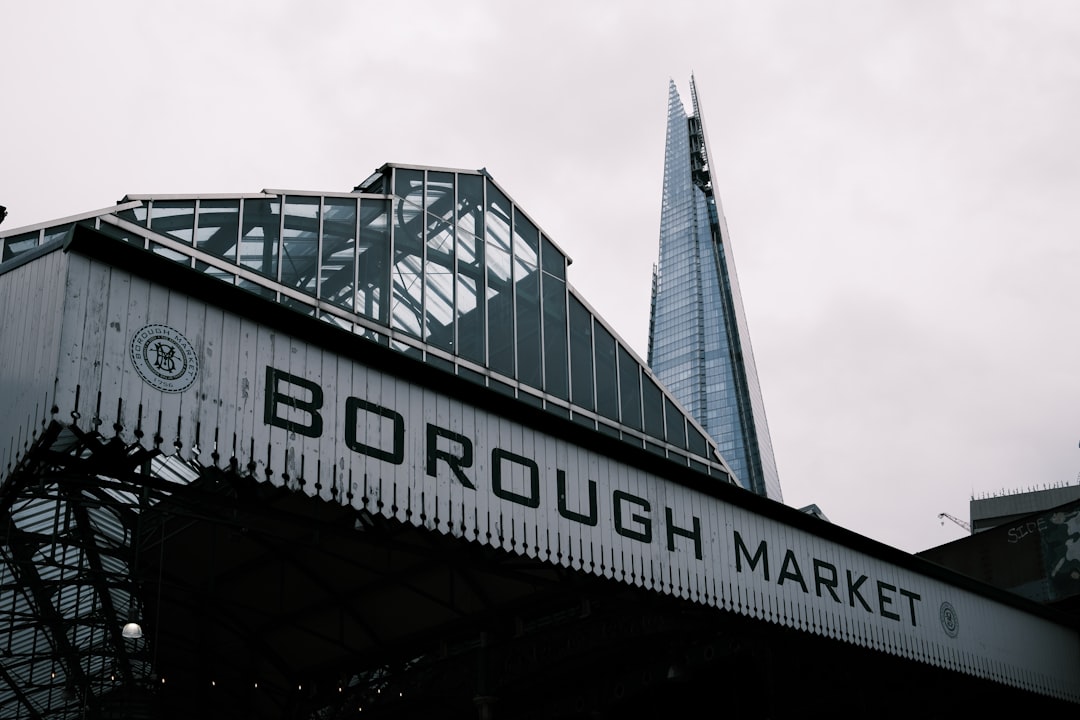
Borough Market, frequently cited as one of London’s oldest and most renowned food markets, occupies a prime location adjacent to London Bridge. Its modern iteration, however, is a renaissance of a trading tradition that dates back to the 11th century. The market, as it stands today, primarily focuses on gourmet food, artisanal produce, and international street food, forming a culinary nexus within the capital. It’s a place where the casual browser can transform into a dedicated gourmand, much like a wanderer stumbling upon a treasure trove.
Historical Context and Evolution
The market’s origins are deeply rooted in the medieval period, initially serving as a wholesale fruit, vegetable, and livestock market. Its proximity to the Thames facilitated trade, positioning it as a critical distribution hub. Over centuries, Borough Market has adapted to societal shifts, transitioning from a predominantly wholesale model to a retail-centric operation in the late 20th century. This transformation was largely driven by a renewed public interest in quality produce and sustainable food practices, effectively reinventing itself from a workhorse to a show pony.
What to Expect: Produce and Atmosphere
Upon entering Borough Market, you are immediately enveloped by an sensory tapestry. Stalls brim with an eclectic assortment of goods, ranging from farm-fresh vegetables and rare breed meats to artisan cheeses, freshly baked breads, and exotic spices. The air is thick with a harmonious medley of aromas – the sweet scent of patisserie mingling with the savoury notes of roasting meats and freshly ground coffee. Beyond the raw ingredients, the market is a veritable smorgasbord of prepared foods. You can find anything from gourmet sausages and succulent oysters to Ethiopian stews and Argentinian empanadas. The atmosphere is consistently lively, a controlled chaos that perfectly encapsulates the spirit of urban culinary exploration. It is a place where conversations flow as freely as the samples, and the sheer volume of choices can be as intoxicating as a strong Earl Grey.
Practical Information
Borough Market operates full hours from Wednesday to Saturday, with a more limited opening on Tuesdays. It is advisable to visit outside peak lunchtimes, particularly on Saturdays, to mitigate the crowds. The market is easily accessible via London Bridge tube and train stations. Be prepared for a bustling environment; while there are some seating areas, much of the experience involves standing and enjoying food on the go. Prices reflect the quality and artisanal nature of the produce, so expect to pay a premium for many items.
If you’re planning a trip to London and want to explore its vibrant market scene, you might find the article on Must-Visit Markets in London: A Local’s Guide particularly helpful. This guide not only highlights the best markets to visit but also provides insider tips on what to buy and when to go. For a deeper dive into the culinary delights and unique finds that these markets offer, check out this related article on London Pages.
Portobello Road Market: A World of Antiques and Curiosities
Stretching through the heart of Notting Hill, Portobello Road Market is arguably the world’s largest antique market, attracting antique enthusiasts, casual browsers, and tourists alike. Operating primarily on Saturdays, it transforms the quaint, pastel-coloured streets of Notting Hill into a sprawling emporium of vintage treasures and quirky finds. It’s a place where history whispers from every trinket and the past is perpetually for sale.
Anatomy of the Market
Portobello Road Market is not a monolithic entity but rather a collection of distinct sections, each with its own character and specialisation.
Antiques Section (Near Notting Hill Gate)
This northernmost section is the spiritual heart of Portobello, where serious antique dealers and collectors converge. Here, you will find an astounding array of furniture, silverware, jewellery, ceramics, and collectables spanning various historical periods. The stalls and permanent shops offer everything from Victorian heirlooms to Art Deco statement pieces. Haggling, within reason, is a customary practice in this section, much like a subtle dance between buyer and seller.
Food Arcades (Mid-Section)
As you move further south, the market transitions into a vibrant food section. This area caters to both fresh produce needs and street food cravings. You’ll encounter fruit and vegetable stalls alongside vendors offering a global culinary tour, from Caribbean jerk chicken to freshly prepared paella. The aromas here are a rich counterpoint to the more refined scents of aged wood and polished silver found in the antique section.
Fashion and Second-Hand Goods (Southern Section)
Closer to Ladbroke Grove, the market shifts towards fashion, vintage clothing, and second-hand goods. This section is a treasure trove for those seeking unique garments, retro accessories, and affordable pre-loved items. It’s a realm where fashion cycles are given a second life, and personal style can be forged from the discarded sartorial stories of others.
Historical Roots and Cultural Significance
The market’s origins can be traced back to the 19th century when it primarily served as a fresh food market. The influx of antique dealers began in the 1940s and 1950s, following bomb damage to other London markets during World War II. Portobello quickly gained a reputation for its diverse offerings, becoming an iconic symbol of London’s eclectic charm. Its appearance in popular culture, most notably the film “Notting Hill,” has further cemented its global appeal.
Visiting Portobello Road
The market is busiest on Saturdays, which is when all sections are fully operational. Weekdays offer a more subdued experience, with fewer stalls but a chance to explore the permanent shops without the crowds. Access is convenient via Notting Hill Gate or Ladbroke Grove tube stations. Be prepared for extensive walking and bring cash, as some smaller vendors may not accept card payments. Patience is a virtue here; finding the truly unique items often requires a keen eye and a willingness to explore, a true test of one’s hunter-gatherer instincts in an urban jungle.
Columbia Road Flower Market: A Floral Spectacle

Every Sunday, the quiet East London street of Columbia Road undergoes a profound transformation, bursting into a riot of colour and fragrance as it hosts the Columbia Road Flower Market. This vibrant market offers an unparalleled selection of cut flowers, houseplants, bedding plants, and gardening accessories, attracting horticultural enthusiasts and casual visitors alike. It’s a fleeting weekly marvel, like a blossom that blooms only for a single day.
A Sunday Ritual
The market opens bright and early, typically around 8 am, and winds down by 3 pm. Arriving early is recommended, not only to secure the best selection but also to experience the market at its most animated. The street is packed with vendors vying for attention, their playful banter and sales cries creating an unmistakable East End chorus. The sheer volume of flowers on display is breathtaking, ranging from common favourites like roses and tulips to exotic orchids and rare botanicals. Prices tend to be competitive, often significantly lower than high street florists, making it an attractive destination for budget-conscious buyers.
Beyond the Blooms
While flowers are undeniably the main draw, Columbia Road offers more than just flora. The street is lined with independent shops, art galleries, and small cafes, many of which open their doors alongside the market. You can find vintage homeware, artisanal gifts, and delectable pastries to accompany your floral purchases. The atmosphere is festive and convivial, a true community event that has preserved much of its traditional charm. It’s a complete sensory experience where the eyes feast on colour, the nose delights in perfume, and the ears are treated to a symphony of East London life.
Historical Context
The market’s history dates back to the Victorian era when it emerged as a local food market for the working-class communities of East London. As the area developed and demand for fresh produce shifted, the focus gradually gravitated towards horticulture in the early 20th century. Its endurance is a testament to Londoners’ enduring appreciation for natural beauty and communal markets. The market has weathered two world wars and numerous economic shifts, standing as a testament to its intrinsic value.
Practical Advice
Columbia Road Flower Market is best accessed via Hoxton, Old Street, or Shoreditch High Street London Overground stations, followed by a short walk. Parking in the area is notoriously difficult, so public transport is highly recommended. The market can become extremely crowded, particularly mid-morning, so be prepared to navigate through dense throngs of people. Cash is often preferred by vendors, though many now accept card payments. Wear comfortable shoes, as you will be doing a fair amount of walking, much like a gardener surveying their flourishing plot.
Broadway Market: Hackney’s Hipster Hub
Nestled in the heart of Hackney, Broadway Market is a bustling street market that operates every Saturday, offering a diverse blend of artisanal foods, vintage clothing, independent crafts, and unique homeware. It has evolved from a traditional Victorian street market into a vibrant community hub, epitomising East London’s contemporary culture. It’s a place where traditional market commerce meets modern urban cool, a synthesis of old and new that defines much of Hackney.
A Culinary and Creative Melting Pot
Broadway Market’s culinary offerings are a significant draw. You’ll find an impressive array of independent street food vendors serving everything from gourmet burgers and ethical coffee to vegan delights and international delicacies. The emphasis is firmly on quality, sustainability, and innovative cuisine. Beyond the prepared food, there are stalls selling fresh produce, artisan breads, cheeses, and charcuterie, allowing visitors to stock their larders with premium ingredients.
The market also showcases the creative spirit of East London. Independent designers, artists, and craftspeople sell their wares, including unique jewellery, handcrafted ceramics, bespoke clothing, and vintage finds. The range of products reflects a commitment to individuality and a departure from mass-produced items. This creative energy permeates the entire market, making it feel less like a series of transactions and more like a curated exhibition.
The Broader Broadway Experience
Broadway Market is more than just its stalls; the street itself is lined with independent boutiques, bookshops, cafes, and pubs that complement the market’s offerings. These permanent establishments contribute to the market’s enduring appeal, providing year-round reasons to visit. On market day, the atmosphere spills out from these venues, creating a comprehensive street-level experience. The market acts as the pulsating heart of the street, with its rhythmic beat drawing people in.
After exploring the market, many visitors take a leisurely stroll along the adjacent Regent’s Canal, which offers a serene escape from the market’s lively pace. This juxtaposition of urban hustle and tranquil waterway adds another layer to the Broadway Market experience.
Historical Lineage and Modern Character
Broadway Market’s roots trace back to the 1890s, serving the local community with everyday essentials. Like many markets, it experienced a period of decline in the late 20th century. However, a significant revival in the early 2000s, driven by local residents and entrepreneurs, transformed it into the dynamic destination it is today. This resurgence reflects broader patterns of urban regeneration and the valorisation of local, independent businesses. It’s a phoenix that has risen from its own ashes, rejuvenated and reinvented for a new generation.
Practical Considerations
Broadway Market operates on Saturdays from approximately 9 am to 5 pm. It is best reached via London Overground stations such as London Fields, Cambridge Heath, or Haggerston, all within walking distance. While parts of the market can get quite busy, especially around lunchtime, it generally offers a more relaxed atmosphere compared to some of London’s larger markets. Be aware that many vendors are small businesses, so cash is still useful, though card payments are widely accepted.
If you’re planning a trip to London and want to explore its vibrant local culture, you might find the article on Must-Visit Markets in London: A Local’s Guide particularly helpful. It highlights some of the best spots to experience the city’s unique atmosphere and delicious food. For more insights on local attractions and hidden gems, check out this related article on London Pages, which offers a wealth of information to enhance your visit.
Old Spitalfields Market: A Victorian Icon Reimagined
Nestled in the vibrant East End, close to Liverpool Street Station, Old Spitalfields Market stands as a grand Victorian structure that masterfully blends historical architecture with contemporary commerce. It offers a diverse array of independent fashion, art, crafts, unique gifts, and a comprehensive food hall, operating seven days a week. It is a chameleon among markets, seamlessly shifting its skin to cater to diverse tastes and needs throughout the week.
A Daily and Weekly Transformation
Unlike many markets that operate on specific days, Old Spitalfields Market offers a dynamic schedule, ensuring there’s always something new to discover.
Daily Retailers and Food Hall
Operating daily, the market houses a permanent collection of independent boutiques and retailers specialising in fashion, accessories, homeware, and art. These shops provide a consistent offering of unique and often handcrafted goods. The market’s central food hall is also open daily, presenting a global culinary expedition. From artisanal pizzas and Vietnamese pho to gourmet burgers and delectable pastries, the food stalls cater to every palate and dietary requirement. It’s a bustling canteen where the world’s cuisines converge.
Specialised Market Days
The market truly comes alive on specific days with its themed stalls:
- Thursdays: Dedicated to antiques and vintage finds, this day transforms the market into a treasure trove for collectors and enthusiasts. You might unearth anything from a period armchair to a rare vinyl record.
- Fridays: A general market day, offering a broad mix of fashion, art, and craft stalls. It’s a good day to catch a wide spectrum of independent traders.
- Saturdays: Focuses on art, craft, and fashion, attracting a younger crowd seeking unique design pieces and vintage clothing. The energy is palpable, a vibrant buzz of discovery.
- Sundays: The biggest market day, with the largest number of fashion, art, and craft stalls, often combined with vintage items and collectables. It’s a grand finale to the market week.
Architectural Grandeur and Historical Resonance
The market building itself is a point of interest. A magnificent example of Victorian engineering, its high arched roof and cast-ironwork imbue it with a sense of historical gravitas. The market’s origins date back to the 17th century, initially operating as a public market for fresh produce. Its present form largely dates from the late 19th century, a testament to its enduring role in London’s commercial landscape. The careful preservation and sensitive modernisation of the building serve as a powerful metaphor for London itself: a city that honours its past while embracing its future.
Location and Accessibility
Old Spitalfields Market benefits from its prime East End location, directly adjacent to Liverpool Street Station, making it exceptionally easy to access via tube (Central, Circle, Hammersmith & City, Metropolitan lines) and mainline rail services. This central location makes it an ideal destination for both tourists and locals. Given its indoor setting, it offers a comfortable shopping experience regardless of the notorious British weather, a welcome shelter from the elements.
Practical Advice
While the market is covered, it can still be quite cool in winter, so dress accordingly. Weekends, particularly Sundays, are the busiest, offering the widest selection but also the largest crowds. If you prefer a more relaxed browsing experience, consider visiting on a weekday. Most vendors accept card payments, but it’s always wise to have some cash for smaller purchases or unexpected finds. Give yourself ample time to explore, as the sheer variety of stalls and food options can be overwhelming if rushed. It’s a place where time can feel both expansive and fleeting, a true paradox of modern commerce.
FAQs
What are some of the most popular markets to visit in London?
Some of the most popular markets in London include Borough Market, Camden Market, Portobello Road Market, Spitalfields Market, and Brick Lane Market. Each offers a unique shopping experience with a variety of food, fashion, antiques, and crafts.
Are London markets open every day?
Most London markets are not open every day. Many operate on specific days of the week, often on weekends. For example, Borough Market is open Wednesday to Saturday, while Portobello Road Market is busiest on Saturdays. It is advisable to check the individual market’s opening days before visiting.
Can you find fresh food at London markets?
Yes, many London markets are renowned for their fresh food offerings. Borough Market, for instance, is famous for its fresh produce, artisanal foods, and street food stalls. Other markets also offer fresh fruits, vegetables, meats, and baked goods.
Is it easy to get to London markets by public transport?
Yes, most of London’s well-known markets are easily accessible by public transport, including the London Underground, buses, and sometimes trains. Markets like Camden and Borough are located near tube stations, making them convenient for visitors.
Are London markets suitable for families and children?
Many London markets are family-friendly and offer a vibrant atmosphere that can be enjoyable for children. Some markets have entertainment, street performers, and food options suitable for all ages. However, it is advisable to be mindful of busy times and crowded areas.