
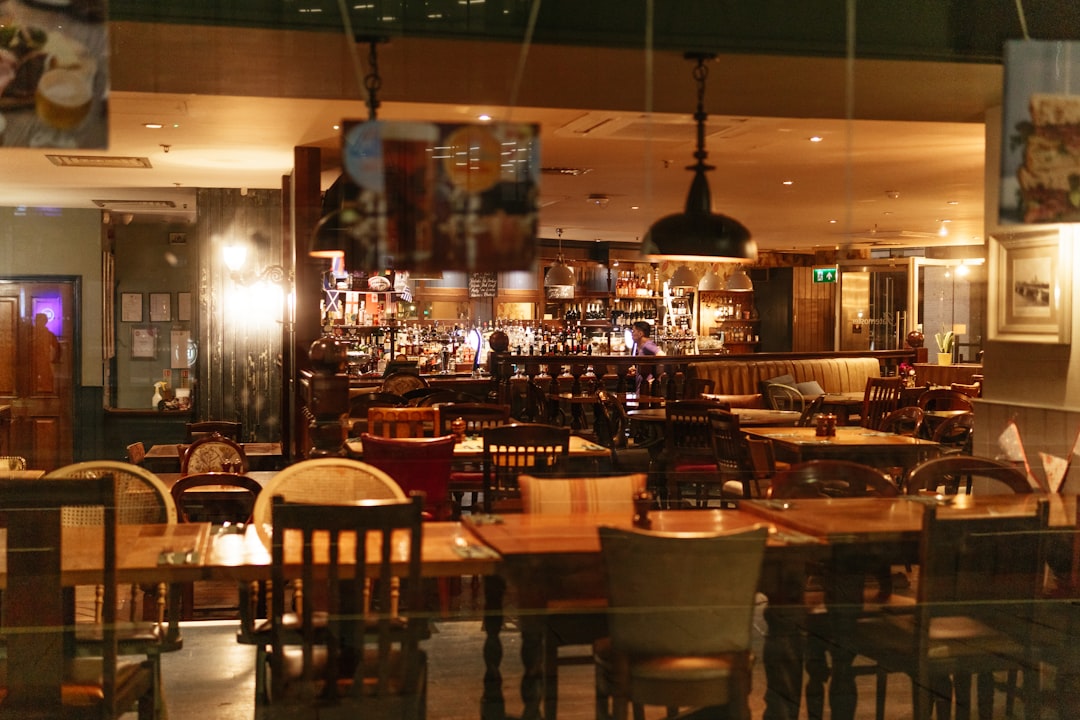
Right then, buckle up, because as a seasoned SEO specialist and content creator based right here in the heart of the UK, I’ve been keeping my ear to the ground and my finger on the pulse of London’s ever-evolving culinary scene. The year 2026, while still a whisper on the horizon, is already shaping up to be a pivotal one for London’s dining landscape. Consider this your early bird’s guide, a strategic reconnaissance mission into the establishments poised to make waves. Forget the fleeting pop-ups; we’re talking about the formidable foundations being laid now, that by 2026, will be firmly cemented as the must-visit destinations. Think of this as your Michelin-star-level intelligence brief, designed to elevate your dining experiences long before the hordes descend.
The Seismic Shifts in London’s Culinary Foundation
London, a city that practically breathes innovation, operates on a perpetual cycle of culinary reinvention. The pre-pandemic era saw a boom in multi-concept venues and experiential dining. The post-pandemic recalibration ushered in a period of introspection, focusing on sustainability, provenance, and refined comfort. As we look towards 2026, these trends are not merely continuing but are deepening, evolving beyond buzzwords into fundamental operational philosophies. We’re witnessing a maturation, a refinement of purpose, where restaurants aren’t just serving food, but curating experiences that resonate with a global city’s complex palate. The culinary landscape is not merely expanding; it’s diversifying its roots, delving deeper into a mosaic of influences and techniques.
This burgeoning ecosystem of new eateries is driven by a confluence of factors. Firstly, the ongoing demand for novel experiences, particularly from a discerning domestic and international clientele who view dining as a cultural event. Secondly, the maturation of culinary talent, with chefs who have honed their skills in Michelin-starred environments now branching out with their own distinct visions. Thirdly, technological advancements, from kitchen robotics to sophisticated reservation systems, are silently revolutionising operational efficiency and enhancing the dining journey. Finally, global events and migratory patterns perpetually infuse London with new culinary narratives, keeping its gastronomic heart beating with vibrant new rhythms.
Embracing the Future: Sustainability and Ethical Sourcing
The conversation around food in 2026 is inextricably linked to sustainability. This isn’t just a marketing ploy; it’s a bedrock principle, woven into the very fabric of restaurant operations. From farm-to-fork tracing to waste reduction strategies, the best new establishments are not merely paying lip service to environmental responsibility but are embedding it in every decision, from menu design to procurement partnerships. Expect to see restaurants that champion regenerative agriculture, utilise nose-to-tail and root-to-stem approaches, and actively minimise their carbon footprint. This commitment isn’t just about ethics; it’s about flavour, too, as chefs explore the nuanced tastes of seasonal, locally sourced produce.
The Rise of Hyper-Local Supply Chains
2026 will see an acceleration in the movement towards hyper-local sourcing. Picture this: ingredients being delivered not by international freight, but from urban farms on London’s outskirts, or even from rooftop gardens within the city itself. This isn’t just about reducing emissions; it’s about a profound reconnection between chef and producer, fostering direct relationships that eliminate intermediaries and ensure unparalleled freshness. We’ll see restaurants proudly displaying their local suppliers, creating a compelling narrative around the provenance of each dish. This approach allows for greater quality control and supports the local economy, creating a virtuous circle within the culinary ecosystem.
Zero-Waste Innovations: Beyond Composting
While composting has become standard, the innovative restaurants of 2026 will push the boundaries of zero-waste further. Think creative fermentation techniques to preserve and transform food scraps, upcycling of traditionally discarded ingredients into new culinary delights, and ingenious packaging solutions that are either fully compostable or reusable. These aren’t just eco-friendly initiatives; they’re also drivers of creativity, challenging chefs to experiment with forgotten flavours and textures. The kitchen becomes a laboratory of sustainable gastronomy, where every element is maximised for flavour and minimal impact.
Global Fusion Reimagined: The Next Wave of Intertwined Flavours
London’s culinary DNA has always been a tapestry of global influences. By 2026, this fusion isn’t just about combining cuisines; it’s about a deeper understanding and respectful integration of diverse culinary traditions. We’re moving beyond superficial combinations to a nuanced blending of techniques, ingredients, and philosophies, leading to truly original gastronomic expressions. Expect unexpected harmonies, dishes that tell a global story on a single plate, and chefs who act as cultural interpreters, bridging culinary divides with masterful skill.
Subtlety in Blending: East Meets West with Delicacy
The heavy-handed fusion of yesteryear is giving way to a more delicate, intentional approach. Picture a Japanese izakaya that subtly incorporates obscure Peruvian spices into its marinades, or a modern British bistro that uses ancient Korean fermentation methods to unlock new depths of flavour in root vegetables. The goal isn’t to shock, but to delight and intrigue, crafting dishes where the individual culinary identities are still recognisable but elevated by their unexpected companions. This demands a profound respect for each culinary tradition involved, ensuring authenticity even in innovation.
The Influence of Emerging Food Cultures
Beyond the established giants of Italian, French, and East Asian cuisines, 2026 will see a significant rise in the influence of emerging food cultures. Think Georgian cuisine, with its vibrant herb-heavy dishes and unique cheese breads, finding new interpretations. Consider West African flavours, particularly from countries like Nigeria and Ghana, moving from niche markets to high-end dining experiences, celebrated for their robust spices and comforting staples. These culinary inspirations bring with them new techniques, ingredients, and cultural narratives, enriching London’s gastronomic tapestry even further.
The Evolution of the Dining Experience: Beyond the Plate
In 2026, dining is an all-encompassing sensory journey. It’s not just about the food, nor solely about the impeccable service. It’s about the interplay of environment, soundscape, aroma, and narrative. Restaurants are becoming micro-worlds, each with its own unique atmosphere, designed to transport and engage the diner from the moment they step through the door. This holistic approach ensures that the meal is not just consumed, but experienced, creating lasting memories.
Immersive Design and Sensory Engagement
Forget sterile, minimalist dining rooms. The new wave of restaurants prioritises immersive design, often drawing inspiration from the cuisine itself or a specific cultural narrative. Imagine lighting that subtly shifts throughout the meal, reflecting the progression of courses, or bespoke scent diffusers that release complementary aromas as dishes arrive. Acoustic design is paramount, ensuring conversations flow easily without sacrificing the vibrant hum of a bustling restaurant. These elements coalesce to create an environment that enhances the flavour and story of the food.
Storytelling Through Food and Service
Every dish has a story, and the best new restaurants of 2026 are adept at telling it. This isn’t about lengthy, pretentious explanations; it’s about succinct, engaging narratives shared by knowledgeable staff. It could be the tale of the fisherman who caught the day’s special, the specific agricultural practices behind a heritage vegetable, or the cultural significance of a particular spice blend. Service becomes an extension of the culinary narrative, with staff acting as informed guides, enhancing the diner’s appreciation and understanding of the meal.
Unveiling London’s New Culinary Gems: A Glimpse into 2026
Now, for the main event. While specific names are always a moving target in a city as dynamic as London, these conceptual snapshots, based on current industry movements and whispers from seasoned restaurateurs, represent the calibre and type of establishments you should anticipate in 2026. These are the ventures brewing, the ambitions taking shape, destined to become the talk of the town.
‘The Forager’s Hearth’: A Celebration of British Terroir
Imagine a restaurant deeply embedded in the heart of London, yet feeling like a portal to the British countryside. ‘The Forager’s Hearth’ (a working title, of course) will be a testament to British ingredients, but not in the traditional, often staid, sense. We’re talking about a menu dictated daily by what local foragers and small-scale farmers can provide. Think forgotten wild herbs, ethically hunted game, and heritage grains. The ambiance will be rustic chic, with reclaimed wood and natural fibres, evoking the very landscapes from which the ingredients are plucked.
The culinary approach will be one of respectful innovation. Headed by a chef known for their deep understanding of British flora and fauna, anticipate dishes that highlight the inherent flavours of the produce. Picture slow-cooked venison infused with ancient hedgerow botanicals, or delicately smoked trout sourced from chalk streams, accompanied by wild greens and fermented berries. The wine list will be a passionate exploration of English wines and craft ciders, further cementing its commitment to local produce. This isn’t just a restaurant; it’s a living ode to the British landscape, a place where each plate tells a story of the soil and the season.
‘Akemi & Co.’: Japanese Purity Meets London’s Pulse
‘Akemi & Co.’ (again, a placeholder name for a concept I believe will emerge) will be a masterclass in refined Japanese dining, but with a palpable London edge. Think the precision and artistry of Kyoto kaiseki, yet infused with a subtle, contemporary twist that speaks to London’s diverse palate. This wouldn’t be a raucous sushi bar, but a serene, almost meditative space, perhaps nestled within a repurposed Georgian building in Mayfair or Bloomsbury. The focus would be on exceptional quality, with ingredients flown in daily from Tsukiji market or meticulously sourced from specialist UK suppliers.
The chef here would likely be a protégé of a revered Japanese master, now ready to imprint their unique vision. Expect a multi-course omakase experience, where each dish is a jewel, showcasing seasonal ingredients with minimalist elegance. However, the ‘London pulse’ would manifest in subtle innovations: perhaps a reimagined dashi imbued with a unique British mushroom, or a dessert that cleverly blends Japanese flavours with an unexpected European fruit. The drinks menu would extend beyond sake, featuring an exquisite selection of Japanese whiskies, craft gin cocktails, and artisanal teas, curated to complement the delicate flavours of the food. It’s a place where tradition and innovation dance in perfect harmony.
‘The Spice Route Bazaar’: A Culinary Journey Through Ancient Trading Paths
Envision a vibrant, sensorial explosion, an establishment called ‘The Spice Route Bazaar’. This isn’t a single cuisine restaurant but a curated exploration of the historical spice routes, traversing from the Mediterranean through the Middle East, into India, and reaching Southeast Asia. The design would be an eclectic mix of textures and colours, reminiscent of ancient trading posts – think intricate Persian rugs, Moroccan lanterns, and Indian textiles, all artfully blended to create an atmosphere of exotic discovery.
The menu would be a rotating tapestry of dishes, each telling a story of migration and flavour exchange. One section might focus on Persian stews and fragrant rice dishes, another on Indian street food elevated to fine dining, and a third on the complex sweet-and-sour profiles of Vietnamese and Thai cuisine. The kitchen would be a true melting pot of global talent, with chefs specialising in their respective regions collaborating on innovative interpretations. Expect an array of sharing plates, encouraging communal dining and conversation. The drinks list would be equally adventurous, featuring bespoke spiced cocktails, exotic teas, and wines carefully chosen to stand up to the bold flavours. ‘The Spice Route Bazaar’ would be more than a meal; it would be a journey, a passport to a world of flavour and cultural richness, right here in London.
The Enduring Appeal: What Makes a truly great Restaurant?
Beyond the trends and the innovation, the truly great restaurants of 2026, much like those of any era, will possess certain timeless qualities. It’s not simply about chasing the latest fad or boasting the most expensive ingredients. It’s about the soul of the establishment, the intangible elements that resonate long after the meal is over.
Fundamentally, a great restaurant provides consistency. This isn’t just about the food remaining consistently delicious, but also the service, the ambiance, and the overall experience. It’s about creating an expectation and reliably exceeding it. Furthermore, genuine hospitality is paramount. This goes beyond mere politeness; it’s about a warmth, an intuitiveness, and a desire to make every guest feel valued and comfortable. Finally, a great restaurant has a distinct identity, a clear vision that permeates every aspect of its operation. It’s a place with character, a point of view, and a story worth sharing. These are the foundational pillars upon which the culinary titans of 2026 will undoubtedly be built, echoing through the city’s vibrant dining scene like a well-struck gong. So, keep your eyes peeled and your appetites ready; London’s future flavour landscape is shaping up to be truly remarkable.
FAQs
What are some of the best new restaurants opening in London in 2026?
Several exciting new restaurants are set to open in London in 2026, featuring a variety of cuisines from modern British to international flavours. Notable mentions include innovative fine dining establishments, casual eateries with sustainable menus, and trendy spots focusing on plant-based dishes.
Where can I find the latest information about new restaurant openings in London?
The latest information about new restaurant openings in London can be found on food and lifestyle websites, local news outlets, restaurant review platforms like OpenTable and TripAdvisor, and social media channels of the restaurants themselves.
Are there any new restaurants in London in 2026 focusing on sustainable or plant-based menus?
Yes, many new restaurants opening in London in 2026 are emphasising sustainability and plant-based cuisine. These venues often use locally sourced ingredients, minimise waste, and offer innovative vegetarian and vegan dishes to cater to growing demand for environmentally friendly dining options.
How can I make reservations at the best new restaurants in London for 2026?
Reservations for popular new restaurants in London can typically be made online through the restaurant’s official website or via booking platforms such as OpenTable, Resy, or Quandoo. It is advisable to book well in advance, especially for highly anticipated openings.
What price range can I expect at the best new restaurants in London in 2026?
The price range at new restaurants in London varies widely depending on the type of dining experience. Casual eateries may offer meals from £15 to £30 per person, while fine dining establishments can range from £50 to over £100 per person, often depending on tasting menus and wine pairings.