
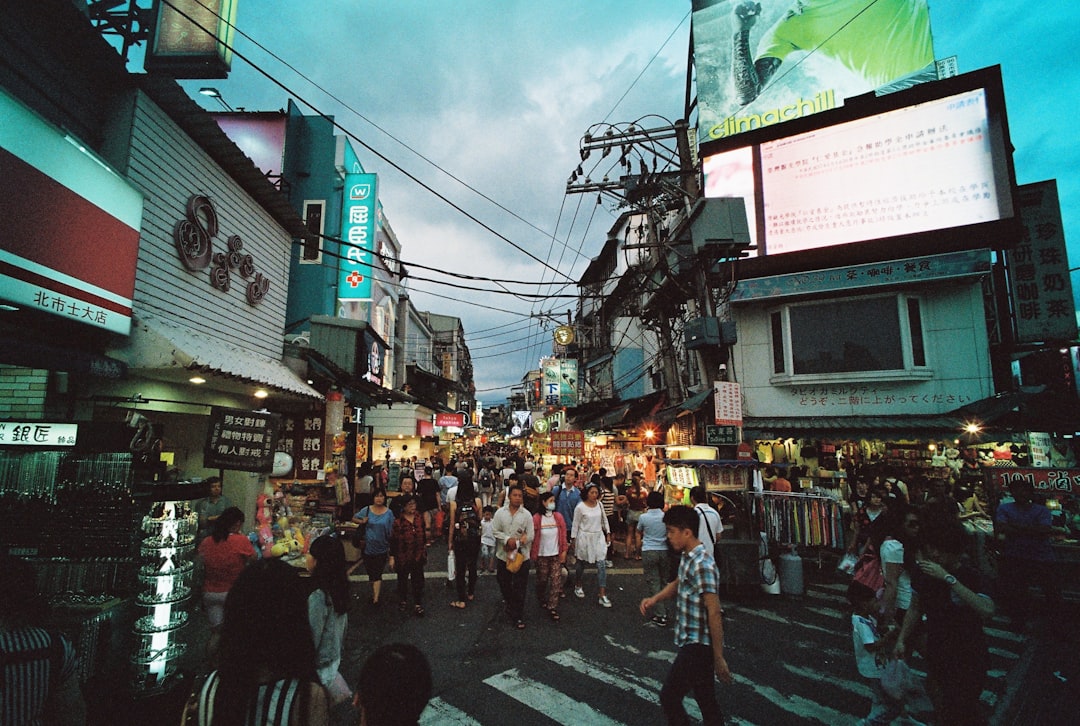
Oxford Street, one of the most famous shopping thoroughfares in the world, boasts a rich and varied history that dates back to Roman times. Originally a Roman road known as Via Trinobantina, it served as a vital route connecting the city of Londinium to the ancient settlement of Verulamium, now St Albans. Over the centuries, this thoroughfare evolved from a simple pathway into a bustling marketplace.
By the 18th century, Oxford Street had transformed into a fashionable area, attracting the affluent and the elite. The street became synonymous with luxury and style, with grand houses and elegant shops lining its length. The 19th century marked a significant turning point for Oxford Street, as it underwent extensive redevelopment.
This period saw the establishment of iconic department stores such as Selfridges, which opened its doors in 1909 and revolutionised the shopping experience with its innovative layout and customer service. The street continued to thrive through the 20th century, becoming a symbol of consumer culture in London.
Today, Oxford Street is not only a shopping destination but also a cultural landmark, reflecting the dynamic evolution of retail and urban life in the capital.
Summary
- Oxford Street has a rich history dating back to the 18th century, when it was known for its prestigious residential properties and high-end shops.
- Top fashion brands such as Topshop, Zara, and H&M can be found on Oxford Street, making it a popular shopping destination for fashion enthusiasts.
- Hidden gems and boutique shops offer unique and one-of-a-kind items, providing a more personalised shopping experience for visitors.
- From trendy cafes to traditional British pubs, Oxford Street offers a variety of dining and drinking options to suit every taste and budget.
- Entertainment and attractions like the London Palladium and the British Museum are just a stone’s throw away from Oxford Street, providing plenty of cultural experiences for visitors.
Top Fashion Brands on Oxford Street
Oxford Street is renowned for its diverse array of fashion brands, catering to every taste and budget. High-street giants such as Zara, H&M, and Topshop have flagship stores that draw in thousands of shoppers daily. These brands offer the latest trends at accessible prices, making them popular among both locals and tourists.
Zara, for instance, is celebrated for its ability to quickly translate runway styles into ready-to-wear collections, ensuring that fashion enthusiasts can stay ahead of the curve without breaking the bank. In addition to high-street retailers, Oxford Street is home to several luxury brands that add an air of sophistication to the shopping experience. Stores like Burberry and Gucci attract discerning customers seeking high-end fashion items.
Burberry’s flagship store on Regent Street, just off Oxford Street, showcases its iconic trench coats and distinctive tartan patterns, while Gucci’s vibrant designs appeal to a younger demographic eager to make a statement. The juxtaposition of high-street and luxury brands creates a unique shopping environment where visitors can explore a wide range of styles and price points.
Hidden Gems and Boutique Shops

While Oxford Street is famous for its large retail chains, it also harbours a wealth of hidden gems and boutique shops that offer a more personalised shopping experience. Tucked away in side streets and alleys are independent retailers that showcase unique products and craftsmanship. For example, stores like The Kooples and Anthropologie provide curated selections of clothing and homeware that stand out from mainstream offerings.
These boutiques often feature limited-edition items or exclusive collaborations that cannot be found elsewhere. Another notable hidden gem is the vintage shop scene that thrives in the vicinity of Oxford Street. Shops like Rokit and Beyond Retro offer an eclectic mix of pre-loved clothing, allowing shoppers to discover one-of-a-kind pieces with character and history.
These vintage stores not only promote sustainable fashion but also provide an opportunity for individuals to express their personal style in a way that mass-produced items cannot. Exploring these lesser-known shops can lead to delightful surprises and unique finds that enhance any shopping trip.
Best Places to Eat and Drink on Oxford Street
After a long day of shopping on Oxford Street, visitors can indulge in a variety of dining options that cater to all tastes. From casual eateries to fine dining establishments, the street offers an impressive selection of culinary experiences. For those seeking a quick bite, chains like Pret A Manger and Itsu provide healthy options for on-the-go meals.
These establishments focus on fresh ingredients and sustainability, making them popular choices for busy shoppers looking for nutritious sustenance. For a more leisurely dining experience, restaurants such as Dishoom and Hoppers offer a taste of Indian and Sri Lankan cuisine in stylish settings. Dishoom, inspired by the old Irani cafés of Bombay, serves up delicious dishes like their signature bacon naan roll and house chai in an atmosphere that evokes nostalgia.
Hoppers, on the other hand, is known for its vibrant decor and delectable hoppers—fermented rice pancakes filled with various fillings. These dining spots not only satisfy hunger but also provide an opportunity to relax and recharge before continuing the shopping adventure.
Entertainment and Attractions
Beyond shopping and dining, Oxford Street is surrounded by a plethora of entertainment options and attractions that enhance its appeal as a destination. The nearby West End is renowned for its world-class theatre productions, offering everything from classic musicals to contemporary plays.
Additionally, cultural attractions such as the British Museum are within walking distance, providing an enriching experience for those interested in history and art. The museum houses an extensive collection of artefacts from around the globe, including the Rosetta Stone and Egyptian mummies. This proximity to cultural landmarks allows shoppers to immerse themselves in London’s rich heritage while enjoying the modern vibrancy of Oxford Street.
Tips for Navigating the Crowds
Given its popularity as a shopping destination, Oxford Street can become quite crowded, especially during peak hours or festive seasons. To make the most of your visit, it is advisable to plan your trip strategically. Visiting during weekdays rather than weekends can significantly reduce the number of people you encounter, allowing for a more relaxed shopping experience.
Early mornings or late evenings are also ideal times to explore the street when foot traffic is lighter. Another useful tip is to familiarise yourself with the layout of Oxford Street before you arrive. Knowing where your desired shops are located can save time and prevent unnecessary backtracking through throngs of shoppers.
Additionally, utilising public transport options such as buses or the Underground can help you avoid parking hassles and get closer to your destination without navigating through heavy traffic.
Oxford Street’s Contribution to London’s Culture
Oxford Street has played an integral role in shaping London’s cultural landscape over the years. As one of the city’s primary commercial arteries, it reflects broader societal trends in fashion, consumerism, and urban development. The street has been at the forefront of retail innovation since the early 20th century when department stores began to revolutionise shopping habits by offering a wide range of products under one roof.
Moreover, Oxford Street has become a cultural melting pot where diverse communities converge. The variety of shops, restaurants, and entertainment options available reflects London’s multicultural identity. Events such as the annual Oxford Street Christmas lights switch-on attract thousands of visitors each year, fostering a sense of community and celebration among locals and tourists alike.
This blend of commerce and culture makes Oxford Street not just a shopping destination but also a vital part of London’s social fabric.
Future Developments and Trends for Oxford Street
As consumer habits continue to evolve in response to technological advancements and changing lifestyles, Oxford Street is poised for significant developments in the coming years. The rise of e-commerce has prompted many retailers to rethink their physical presence; thus, we may see an increase in experiential retail concepts that focus on creating memorable shopping experiences rather than merely selling products. This could involve interactive displays, pop-up shops featuring local artisans, or immersive brand experiences that engage customers on multiple levels.
Furthermore, sustainability is becoming an increasingly important consideration for both consumers and retailers alike. As awareness grows regarding environmental issues, many brands are adopting eco-friendly practices in their operations. This trend may lead to more sustainable fashion options being available on Oxford Street, with retailers prioritising ethical sourcing and production methods.
The integration of green spaces along the street could also enhance its appeal as a shopping destination while promoting environmental consciousness among visitors. In conclusion, Oxford Street stands as a testament to London’s dynamic retail landscape, blending history with modernity while continually adapting to meet the needs of consumers. Its rich heritage, diverse offerings, and cultural significance ensure that it remains an essential part of London’s identity for years to come.
If you’re looking for more information about Oxford Street in London, you should check out the blog section of London Pages. They have a variety of articles discussing the history, shops, and events that take place on this iconic street. You can find the blog at (function (){ var c=document.body.className; c=c.replace(/woocommerce-no-js/, 'woocommerce-js'); document.body.className=c; })();